PSE Healthy Energy is an independent scientific research institute working at the nexus of energy, human health, and climate. The health burdens of our energy systems and their climate consequences arise from the same infrastructure, yet they are typically studied and regulated separately. This disconnect results in unnecessary tradeoffs and leaves potential benefits on the table. By treating them as connected systems, we identify harms that would otherwise go unattended, and develop solutions that maximize benefits for health, resilience, and broadly shared prosperity.
We pursue this work through two strategic initiatives.

Methane + Health Initiative
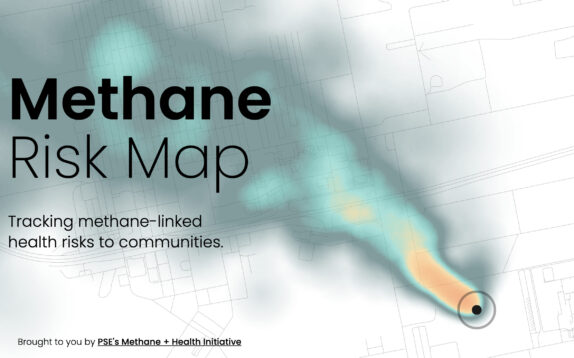
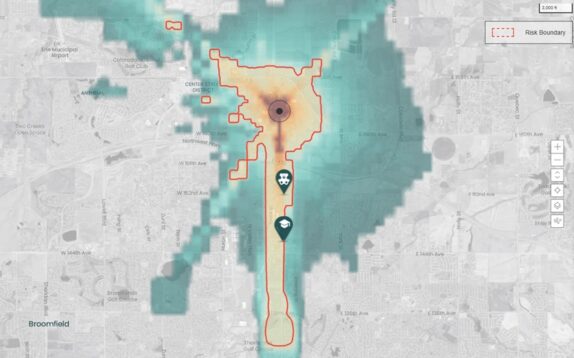
The Methane + Health Initiative characterizes the harms of the legacy energy system we rely on today. PSE researchers investigate the air pollution, health risks, and climate stress driven by oil and gas and identify near-term, health-protective measures to reduce those harms.

Energy Transition Benefits Initiative
The Energy Transition Benefits Initiative is building on PSE’s extensive work in energy equity and climate resilience to identify clean energy pathways that decarbonize the energy system while maximizing the benefits people experience most directly: cleaner air, better health, lower energy costs, and greater climate and energy resilience.
Our research is designed for impact, reflects years of scientific study, and draws on diverse technical expertise and dynamic partnerships. Learn more on each practice area:

Oil and Gas
PSE analyzes methane emissions and co-emitted hazardous air pollutants across the oil & gas network, from production wells to household appliances, and informs communities & decision-makers on science-based solutions.

Environmental Public Health
PSE investigates how energy-related pollution translates to human exposure and health risk, combining field measurements, modeling, and data analysis.

Clean Energy Transition
PSE develops strategies for rapid, resilient, and equitable decarbonization, pairing engineering and systems modeling with energy policy, air quality, and health expertise.

Climate Resilience
PSE assesses how a changing climate reshapes energy systems and communities, and identifies strategies to reduce climate hazards and strengthen resilience.

Energy Equity
PSE evaluates how energy systems and policies distribute costs, benefits, and burdens across communities, using measures such as energy burden and resilience.

Community Science Consulting
PSE partners directly with communities to design and conduct research grounded in their priorities and lived experience, so findings are locally relevant, actionable, and acceptable to those who would benefit.