Study Summary
A peer-reviewed study by scientists at PSE Healthy Energy and Stanford University, published on March 25, 2026 in Environmental Research Letters, examined hazardous air pollutants and odorants in consumer-grade natural gas sampled across seven cities in the United Kingdom, the Netherlands, and Italy. The study also measured stove-off methane leak rates in homes, modeled indoor benzene concentrations using CONTAM, an established indoor air quality model, and evaluated the air-quality impacts of a large outdoor distribution pipeline leak in Gloucestershire County, England. It is the first study to sample gas for benzene in European homes, measure gas leaks in those homes, and model benzene exposure from indoor and outdoor leaks.
Key Findings
Elevated benzene concentrations were measured in sampled gas
Across the cities sampled, average benzene-in-gas concentrations ranged from 9 to 73 times the North American average reported in previous research (Rowland et al. (2024). Average benzene concentrations were highest in Amsterdam (146 ppmv) and London (128 ppmv). Milan had the lowest average concentration among the cities sampled at 17 ppmv, but that was still almost nine times higher than the 2 ppmv North American average.

Stove-off gas leaks were detected in 40% of stoves
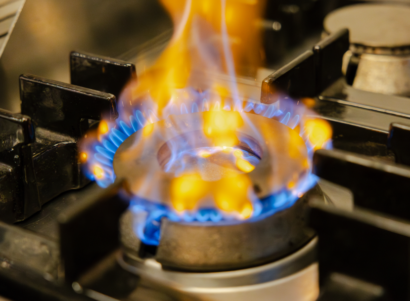
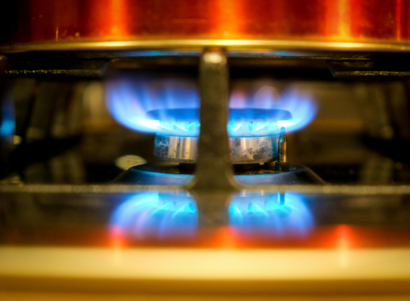
Gas leaks from stoves that were not in use were observed in 40% of stoves. Leaks varied substantially across homes, and the study found that stove make, model, age, and price point were not predictive of leaks. Leaks also did not vary significantly between countries in the study.
Some modeled indoor benzene concentrations exceeded the EU annual limit
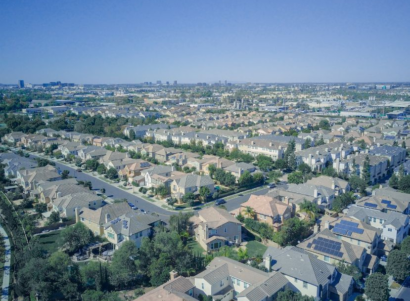
In roughly 9% of homes modeled, the leak rates combined with the benzene levels in gas were high enough to create indoor benzene concentrations that exceeded the EU annual limit value of 1.6 ppbv, indicating a potential chronic health risk. The largest modeled in-home benzene concentration was 22 ppbv, associated with a stove leak measured in London.
Odorant levels may not provide adequate warning of gas leaks
In the United Kingdom and the Netherlands, odorant levels were too low to reliably alert residents to leaks that could raise indoor benzene concentrations above the EU annual limit. Due to the lower odorization levels observed in the UK, benzene concentrations from a gas leak could reach 62 ppbv (along with 421 ppmv methane) before accompanying odor levels would cross the detection threshold–almost 40 times the annual EU benzene limit value of 1.6 ppbv. Whereas in Milan, for example, higher odorization and lower benzene levels in gas meant modeled leaks would likely be detectable before indoor benzene concentrations surpassed that benchmark.
Outdoor pipeline leak created elevated benzene levels for communities 10 km downwind
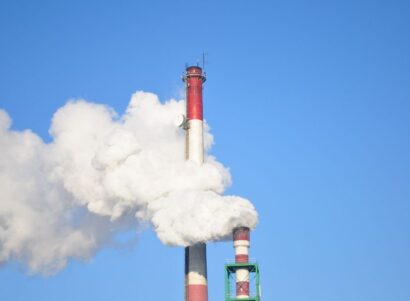
The study also modeled a large leak from an outdoor distribution pipeline in Gloucestershire County, England. According to PSE’s modeling, the leak, which lasted for 11 weeks before repairs were completed, created elevated benzene concentrations in the air up to 10 kilometers downwind, affecting nearby communities, including the town of Cheltenham and the village of Bishop’s Cleeve. Modeled benzene concentrations near the leak reached four times the EU 8-hour occupational exposure limit, posing a health risk to workers sent to repair the leak.
Methods
Researchers collected gas samples across seven cities in the United Kingdom, the Netherlands, and Italy and analyzed them for hazardous air pollutants, including benzene, as well as for the odorants added to make gas leaks detectable by smell. Based on the odorant measurements, the team estimated how much methane would need to leak before a leak became detectable by smell, and what benzene concentrations would result. The study also measured stove-off methane leak rates, used CONTAM to model indoor benzene concentrations against the EU annual limit value, and modeled the community-scale air-quality impacts of a satellite-detected super-emitting outdoor pipeline leak. The collected samples were analyzed under contract by ISO 17025 accredited lab Tera Environnement.
Policy Relevance
Because natural gas is composed mostly of methane, gas leaks are often framed primarily as climate or explosion hazards. This study indicates that gas leaks may also create air quality impacts and pose health hazards. The findings are pertinent to policy discussions in the UK and EU because methane-focused standards do not account for hazardous air pollutants present in the gas. As the EU moves to strengthen air quality protections through its new cleaner air directive, routine leaks across the natural gas supply chain may undermine efforts to reduce harmful benzene exposure and protect public health.
Study Scope
This summary reflects the peer-reviewed study’s sampled gas measurements, measured stove-off leaks, and modeled indoor and outdoor benzene concentrations. The exposure calculations were intentionally conservative and excluded potential additional benzene exposure during active stove use as well as potential leaks from other gas appliances in homes. Readers should consult the journal article for the full methods, assumptions, and uncertainty discussion.

 Download the fact sheet
 Read the study in Environmental Research Letters